Everything You Need to Know About Loading Ramps: Types, Benefits, and Uses
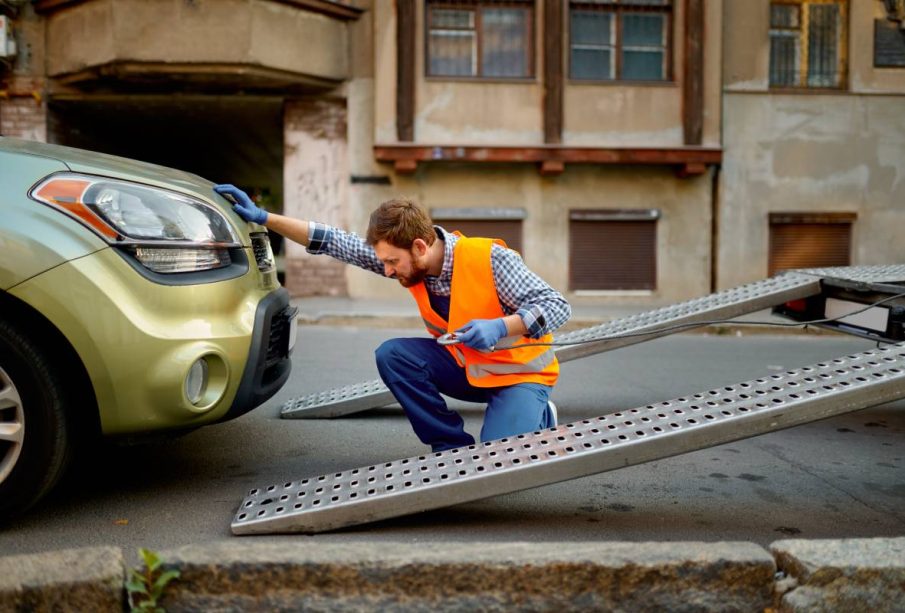
Loading ramps are one of those pieces of equipment that you don’t really think about until you need them — and when you do, you realise just how essential they are. At their core, loading ramps serve as a stable bridge between two different levels, allowing you to move goods, vehicles, or machinery with ease. Whether you’re transferring a motorcycle onto a trailer, loading pallets into a truck, or moving heavy machinery between platforms, ramps make the process safer, faster, and far less physically demanding.
Without ramps, you’d be left with the exhausting and unsafe task of manually lifting heavy items — a process that can put workers at risk of serious injury and slow down operations. In this guide, we’ll explore the roles of loading ramps, the different types available, and where they’re most commonly used.
Why Loading Ramps Are So Important
The beauty of a loading ramp lies in its ability to combine safety, efficiency, and practicality in a single piece of equipment. Here’s a closer look at the key roles ramps play in everyday operations.
1. Stable and Safe
Safety is one of the main reasons businesses invest in ramps. A well-designed trailer loading ramp provides a sturdy, non-slip surface, drastically reducing the chance of accidents. This grip is especially important when moving awkwardly shaped or delicate items — think large glass panels, heavy machinery, or fragile crates — where a slip could cause costly damage or injury.
Without a ramp, workers might attempt to carry these loads up makeshift inclines or rely solely on manpower. This approach not only increases the risk of dropping items but can also cause back strain, falls, or collisions.
2. Flexible and Versatile
Loading ramps aren’t one-size-fits-all. They come in a variety of designs, each suited to different tasks. For example:
-
Portable ramps can be moved from one location to another, making them ideal for temporary worksites.
-
Adjustable ramps are perfect when there’s a variance in height or angle between the two levels.
-
Heavy-duty ramps are designed for rugged environments like warehouses and construction sites, where they need to withstand the weight of forklifts or large machinery.
By selecting the right ramp for the job, you can ensure smooth, efficient, and safe loading in almost any situation.
3. Reducing the Risks of Manual Handling
One of the biggest dangers in material handling is over-reliance on human strength. Lifting heavy or awkward loads manually not only slows the process but can also lead to serious workplace injuries. Ramps help eliminate this risk in several ways:
-
Mechanical Support: Some ramps incorporate rollers, conveyors, or other features that make it easier to move items along an incline without excessive effort.
-
Reduced Strain: Workers no longer have to bend, twist, or carry items over dangerous heights — the ramp does the heavy lifting.
-
Improved Efficiency: With a ramp, loading and unloading can be done much faster, freeing up time and reducing the manpower needed.
This isn’t just about productivity — it’s also about creating a safer, healthier workplace for everyone involved.
4. A Cost-Effective Investment
While a high-quality ramp may seem like a significant upfront cost, it’s an investment that pays for itself over time. Ramps reduce the risk of product damage, cut down on injury-related downtime, and streamline operations. Over months and years, the savings in labour, time, and maintenance can easily outweigh the initial expense.
Brands like SureWeld, for example, produce ramps that are engineered for durability, meaning they last longer and require less upkeep — adding even more value to your purchase.
Types of Loading Ramps
Now that we’ve covered why ramps are so beneficial, let’s explore the main types available and what each is best suited for.
1. Permanent Ramps
Permanent ramps are fixed structures designed for facilities with consistent, long-term loading needs. They’re most commonly found in warehouses, manufacturing plants, and distribution centres.
Advantages:
-
High load capacity
-
Exceptional stability
-
Minimal maintenance over time
Considerations:
-
Require professional installation
-
Not portable or adjustable once in place
For operations that involve regular heavy-duty loading, a permanent ramp is often the most practical solution.
2. Mobile Loading Ramps
Mobile ramps are designed for flexibility. Typically made from lightweight yet durable materials, they can be easily transported and repositioned. They’re a popular choice for businesses with multiple loading areas or temporary worksites.
Advantages:
-
Easy to move
-
Adjustable height and angle
-
Suitable for changing work environments
Considerations:
-
Usually have lower weight limits than permanent ramps
-
Require regular inspections to ensure safety
These ramps are invaluable for industries where loading needs vary from day to day or location to location.
3. Hydraulic Loading Ramps
Hydraulic ramps take convenience to the next level by using hydraulic systems to raise and lower the ramp smoothly. This allows for precise height adjustments and controlled transitions between levels.
Advantages:
-
Effortless operation
-
High load capacity
-
Smooth, safe movement
Considerations:
-
More expensive upfront
-
Require hydraulic maintenance
They’re perfect for industries like logistics, manufacturing, and construction, where heavy or awkward loads are the norm.
4. Forklift Ramps
As the name suggests, forklift ramps are designed specifically for forklifts to travel up and down while carrying loads. They’re reinforced to handle the combined weight of the forklift and the cargo.
Advantages:
-
High strength and durability
-
Optimised for forklift use
-
Improves loading efficiency in warehouse settings
Considerations:
-
Not suitable for other types of vehicles without modifications
Forklift ramps are essential in large-scale warehousing and distribution where forklifts are in constant use.
Where Loading Ramps Are Used
Loading ramps are remarkably versatile, finding applications across a wide range of industries. Some common uses include:
-
Warehousing: Streamlining the movement of goods between storage areas and transport vehicles.
-
Construction: Moving heavy machinery, building materials, and tools on and off sites.
-
Automotive: Loading and unloading cars, motorcycles, and other vehicles safely.
-
Logistics & Distribution: Optimising the flow of goods in busy distribution centres.
-
Events & Entertainment: Speeding up the setup and breakdown of stages, equipment, and displays.
-
Agriculture: Helping farmers move tractors, equipment, and produce around their property.
-
Retail & Wholesale: Facilitating the movement of bulk stock between delivery trucks and stores.
Choosing the Right Loading Ramp
If you’re considering investing in a ramp, it’s important to choose the right one for your needs. Here are a few factors to keep in mind:
-
Load Capacity: Always choose a ramp that can handle the maximum weight you’ll be moving — including both the item and the equipment (e.g., forklift) carrying it.
-
Material: SureWeld Aluminium ramps are lightweight yet extremely strong, making them ideal for both portable and heavy-duty applications. Steel ramps offer extra durability but can be heavier to move.
-
Surface Grip: Look for ramps with anti-slip surfaces to ensure safety in all weather conditions.
-
Portability: Decide if you need a ramp that stays in one place or one that can move between locations.
-
Adjustability: If you deal with varying heights, an adjustable or hydraulic ramp may be the best option.
Final Thoughts
Loading ramps might not be the most glamorous piece of equipment in your operation, but they are one of the most practical. From preventing workplace injuries to improving efficiency and protecting goods, they offer a host of benefits that quickly justify the investment.
Whether you need a permanent ramp for a busy warehouse or a portable option for a mobile business, there’s a solution out there to fit your needs. And by choosing a reputable manufacturer like SureWeld, you can be confident you’re getting a product designed for safety, durability, and ease of use.
The next time you watch a pallet jack, motorcycle, or forklift glide effortlessly up a ramp, remember — it’s not just a piece of metal bridging two levels. It’s a tool that keeps people safe, protects valuable goods, and keeps your operation running smoothly.



Leave a reply


The Rubik theme is the best Premium WordPress Themes that perfect for news, magazine, personal blog, etc. It’s never been easier to build a standout website.